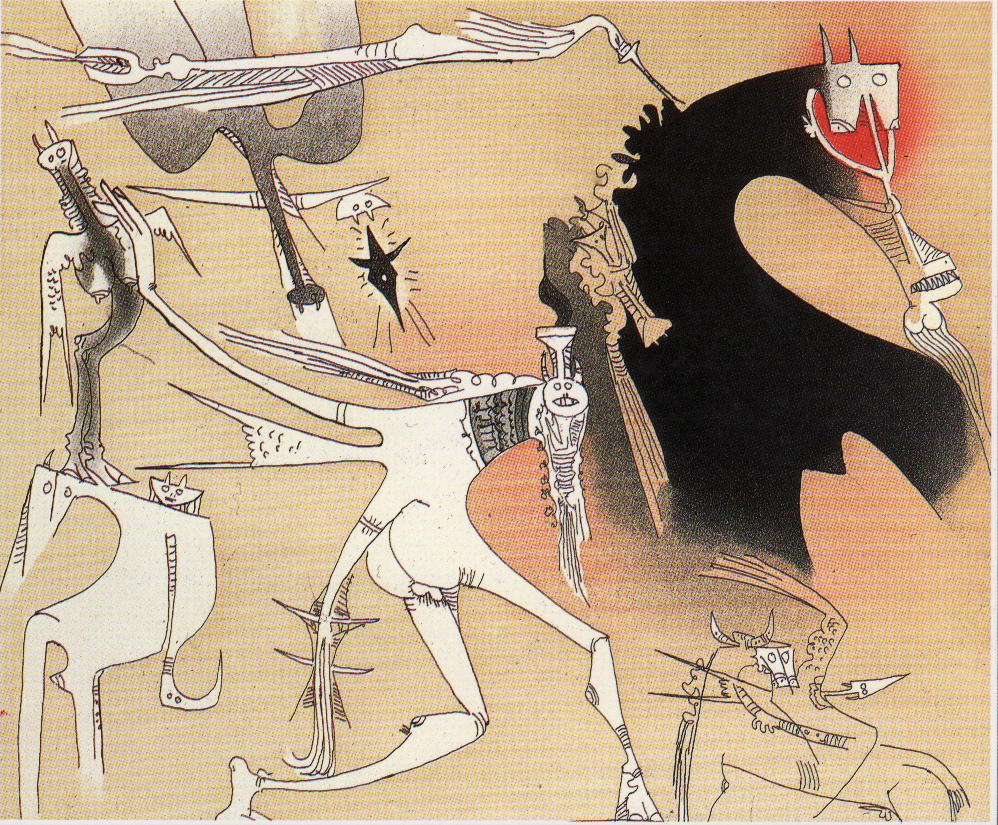
…
There is a new, two part, Introductory Essay called THE HARD PART FIRST, which explores the idea of a poet writing about himself as “a painful but healthy conflict of interest.” You can click on the title to read it.
The Second Part is called A FORTHRIGHT APPEAL, and Christopher Woodman hopes very much you will read it as well.

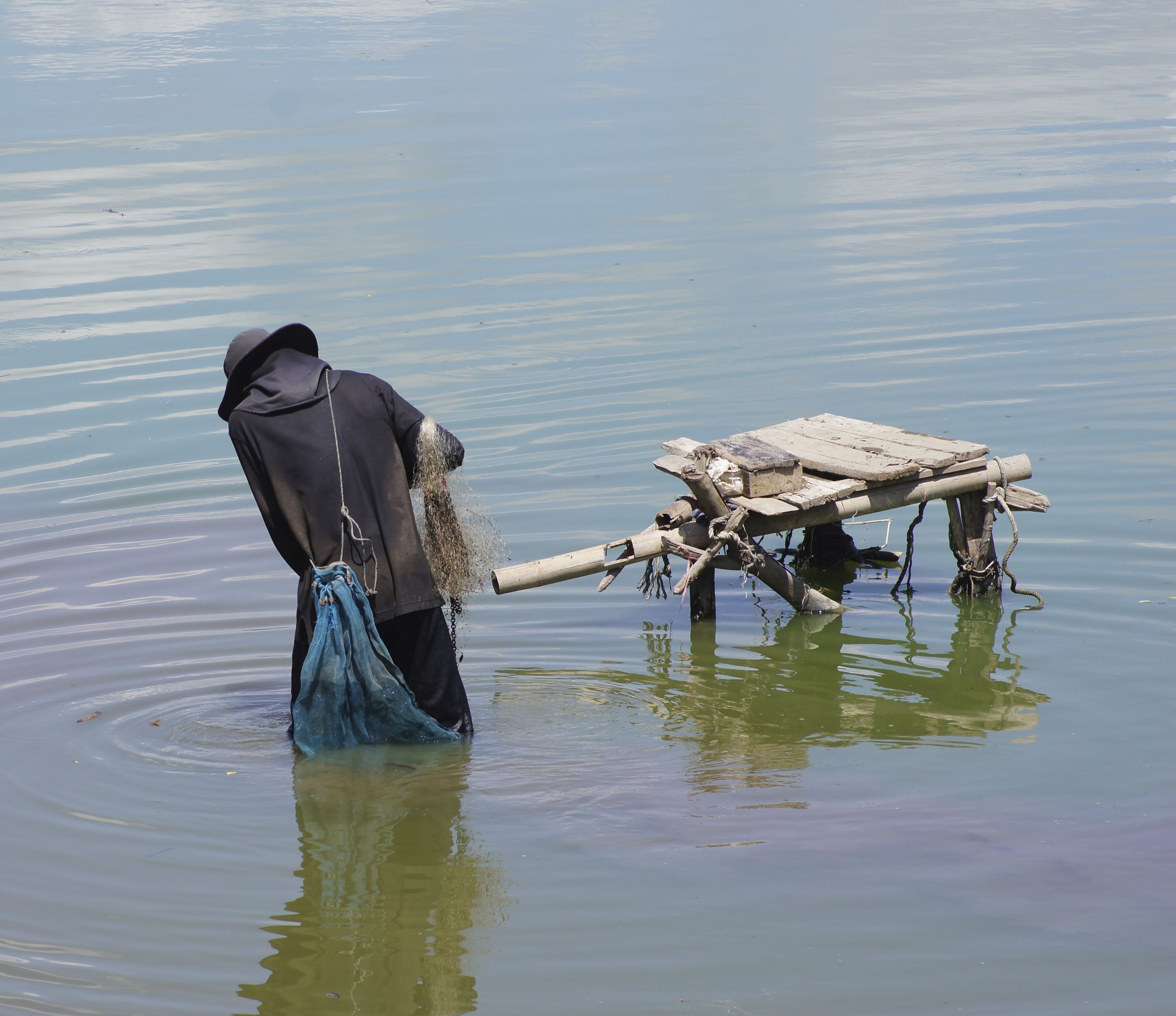
This is the ‘BAW PLAA’ at the poet’s home in Chiang Mai. In Thai a ‘baw’ is a hole in the ground, a well, a mine shaft or pond, and ‘plaa’ means fish — amidst the paddies the ‘baw’ fills up with water, so this is a ‘baw plaa.’ There are huge fish in this one, some of which, like its best poems, are over 20 years old. Click twice on the photo and you can see them.
A COMPLETE DIRECTORY
November 11th, 2026.
COWPATTYHAMMER.COM consists of 16 years of discussions and essays composed and edited by the poet, CHRISTOPHER WOODMAN
…………………………………….WHO I AM AND HOW IT GOES.
There is no ‘closure’ anywhere here, as if my Cowpattyhammer were a gigantic Loose-leaf Notebook with each Thread open forever to new pages that can be slipped in at random like a palimpsest — or a midden perhaps, or even a well-fertilized meadow. Old Pages are edited and expanded right back to the very beginning, so it’s all everywhere equally current — like compost.
The most obvious anomaly is that from the very start I have used the Comments for my own thoughts, not just in reply to others. (My name and the date are automatically appended to every Comment I write, so there is no ambiguity.) My Comments always build on the previous Comment whether by me or in answer to somebody else, and as in all my writing I edit ceaselessly as my understanding of what I am trying to say/hear deepens. So the site has become a workshop really, a forge, a lab, a garden. This was particularly so when I embarked on a renovation of the whole site a few years ago culminating in The Hard Part First.
On the other hand, I have never touched the words of somebody else, which I feel are sacrosanct. When Cowpattyhammer was open to Comments there were some wonderful visitors — you can read Omino 23’s mind-warping trajectories, for example. I found out only much later that “23” was his age, and that he was in fact Matthew, the son of my close friend, Bill Kammann. (I was already in my 70s, and Matthew taught me so much, even more than his father did.)
So what do you think, have I reinvented the wheel or fatally cracked it in this crazy effort of mine to let a little light in?
Christopher Woodman
11/14/2026
P.S. OPEN COMMENTS were discontinued some years ago as the site is most present wherever it is most active and that has nothing to do with sequence or time.
P.P.S. But you can still leave a Reply/Comment at the very end of the most recent thread, ABOUT THE AUTHOR. And I’ll get back to you as quickly as I can.
……..*………………*………………*………………*………………*……………..*……….*
If this is your first visit you might want to start with ABOUT THE AUTHOR, which includes how the site got it’s name.
You can also visit HOMPRANG.COM, the website of The Baan Hom Samunphrai School for Traditional Medicine in Chiang Mai, Thailand. That’s where Christopher Woodman lives and works with the Director, his Herbal Doctor-wife, HOMPRANG CHALEEKANHA.
You will find there Christopher Woodman’s NEW BIO with his CONTACT DETAILS and a selection of his Published Poetry. Just scroll down a bit for everything you have wanted to know about him.
A third of the 50 odd posts in the COWPATTY ARCHIVE (2009-2026) are not listed in the Index in the left-hand margin — they are the earliest posts (Sept. to Dec. 2009), and are not surprisingly shorter, more topical, and a bit rougher.’ To access those early posts you can enter the site with the URL http://www.cowpattyhammer.com and then scroll down through the whole site, clicking on ‘older entries’ when that option comes up at the bottom of any page. That will take you back to the earliest post on this site, September 22nd, 2009.
A quicker SEARCH METHOD would be to click on the small ARCHIVES window at the bottom of the left hand Index on this page, and then to choose the DATES that interest you. The CATEGORIES window may direct you even better.
The earlier parts of the site are also preserved in the SCARRIET.COM archives. This sister site is still edited by his old friend and companion-in-arms, the dazzling critic, literary historian, sports scholar, musician and indefatigable poet, Thomas Graves (aka ‘Tom Brady,’) — there still exist a large number of pre-2014 posts put up before the Scarriet/Cowpattyhammer split.
AN OBITUARY
For my bold & gifted daughter
DELIA HILARY ORLANDO WOODMAN.
Unwell for some time, Delia suffered a stroke on May 7th while working
in her garden in Hackney. She did not regain consciousness and died
two days later in the hospital surrounded by her loved ones,
May 9th, 2026.

gently click on the bowl or the title below
THE HARD PART FIRST.
Scroll down until you see the photo of Delia at the very end of the essay.
I wrote the last paragraphs for her just a week before her death,
hoping they might help her to revisit her earlier health and vitality.
Now you have to read them for her.)
………………………..Christopher Woodman
AN OBITUARY for our great friend, W.F. KAMMANN, who died aged 77 in Patzcuarro, Mexico.
January 27th, 2024.
AN ANNOTATED INDEX, 2011-2026
You can click on the highlighted TITLES
below to view the full Articles.
THREE SHORT PREFACES to his THREE BOOKS.
a.) FIG LEAF SUTRAS: at the Roots of the Tree.
FIG LEAF SUTRAS: A Memoir in Poems, 1994-2024.
……This is a very different book from my earlier books, La-Croix-Ma-Fille and Galileo’s Secret. It’s a Memoir, and embraces in reverse order  the whole range of my styles and interests from my most recent metaphysical riffs & glosses on Chiang Mai back to my very first dot-matrix mutterings in Brooklyn before there was poetry at all. The heart of the book contains some of my most unaffected “pure poetry,” and at the very end there are three lyric triumphs over time, art, and adversity — which is why they’re still there. In so far as the book has a theme, it’s my own trajectory as a poet with the last tracks first, dignifying as they do the mountains of compost that still nourish me from way back before there was even a start.
b.) Getting ready for GALILEO’S SECRET.
GALILEO’S SECRET: Two Decades of Poems under House Arrest.
……A blessing on those young Forest Row students who assumed I knew the “secret of life” but which, like Denise Levertov herself, I’m afraid, I’d already forgotten by then. That was way back in the 70s, and indeed I didn’t get around to my own book of poetry until 30 years later mainly because I kept losing touch with whatever it was I was supposed to know. And then there was the South East Asian ‘Hill-Tribe’ expatriate linguist and drifter I picked up incoherent on the streets of Chiang Mai, and goodness knows what he meant, or why I kept the interview with him secret for so long [it’s attached!]. And of course there was Galileo Galilei himself who suffered such profound dislocations in his inner life, ones which I came to understand better after suffering a breakdown of my own one summer while living close by his villa in Florence. And that other physicist too, also famous but much younger — he suffered his dislocations in the body, not mind, while I was in Cambridge as well dealing with my brother’s broken back.  And finally the small Australian Aborigine Elder listening so attentively with his brilliant young grand-daughter beside him — not to understand anything at all, just to share companionship for a few blesséd moments, not a vision or a voice but a flicker of recognition, a settling, an exhalation. A moment of simple-minded reflection, a moment just to be there, not to decide which road to take, or what things to weigh, or whether there are secrets of life to believe in, God forbid, what is more to remember.
c.) Gilding the Pieces: LA-CROIX-MA-FILLE.
LA- CROIX-MA-FILLE. Hexes, Ruins, Riddles & Relics.
……It started out short — but such ‘rewriting’ can also create relics, and if such relics are fertile like fantasies and crystals they grow, sometimes exponentially. Like this statement for example: “I have very few friends who read poetry, and even fewer who read the poetry I write. This is partly because at two very important junctures in my life I parted with poetry altogether, and as a poet I have no past.”
There is a New Introduction which goes with this page. It’s called THE HARD PART FIRST, and explores the idea of a poet writing about himself as a ‘conflict of interest.’ If you haven’t seen it you can click on it here.
The page also includes A FORTHRIGHT APPEAL, which Christopher Woodman hopes very much you will want to read as well.
….
TWENTY + SUMMARIES:
THE MAIN THREADS, 2011-2026.
I. “GALILEO’S SECRET:” (2 Threads, 2019-2026).
1.) FOR THOSE LIKE GALILEO (February 6, 2020 – 2026).
……This is a detailed attempt to cast light on some of the complex graphics, images, and metaphors in GALILEO’S SECRET, and includes the title phrase which appears for the first and only time in the book in a light-hearted poem called “Celestial Observations.” The much more difficult title-poem of the thread, on the other hand, “For Those Like Galileo Who No Longer Read,” is from Part III and is accompanied by one of the strongest graphics in the whole 10 years of Cowpattyhammer — in fact the image appears twice in the blog, and you always have to Click more than once to see them fully as on this little b/w index photo right here. This theme is developed in the 26 ‘Essais’ in the Comments that follow including in the two discussions of Breugel’s “The Fall of Icarus” as well as in the intimate encounters with, among others, the Strangler Fig, the Wizard of Oz, Sonya & Leo Tolstoy at home, and the Archimandrite Seraphim Bit Haribi chanting The Lord’s Prayer in Aramaic. It’s a curious thread, bizarre even, and there’s a strong feeling of more to come — no thread is ever really “over” on Cowpattyhammer. (13 Comments)
….
2.) IN PURSUIT OF THE STILL UNWEIGHED:
Off the Record at 80 (Nov. 25, 2019 – 2026)
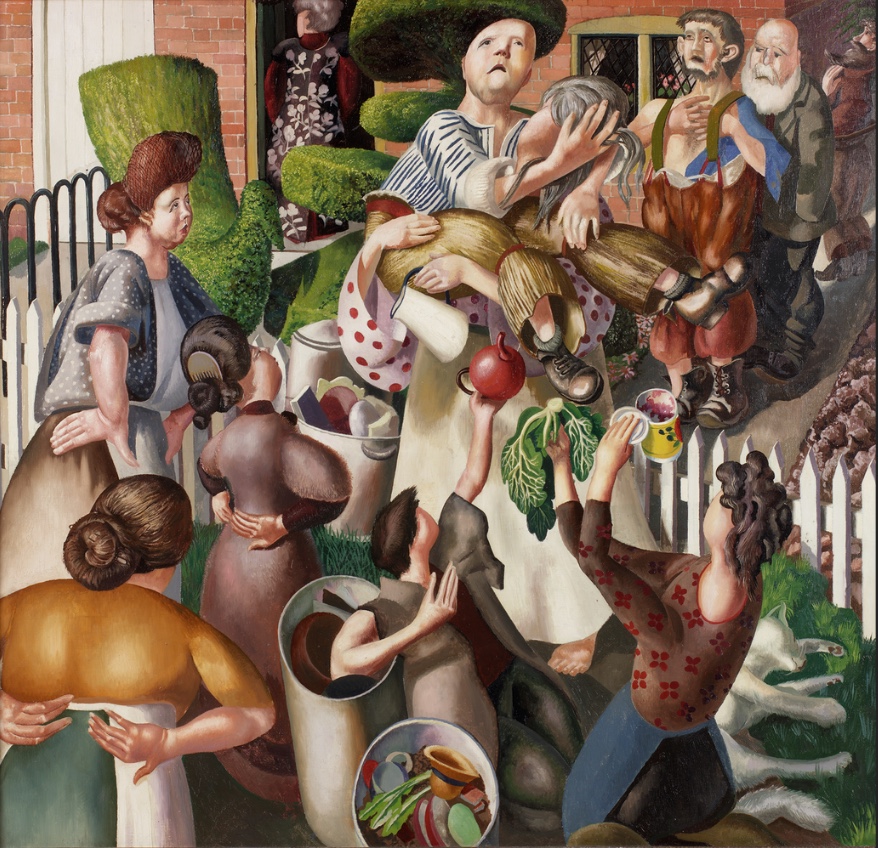
……A long and passionate self-examination culminating in a detailed exploration of the moods and modes of Part I of GALILEO’S SECRET. There are 30 substantial ‘Essais’ written over a 4 1/2 month period, and I don’t think my personal development or my values have ever been more effectively explored. It’s about Hope, really, the small bird that we all know as “that thing with feathers,” and, needless to say, Emily Dickinson is the hero of the whole thread alone up there in her bedroom  — closely followed by the visionary mentor/muddler, Sir Stanley Spencer. Here he is pushing his pram through his beloved Cookham’s lanes, for him as exotic as any Shangri-la or Chiang Mai haunted jungle. (32 Comments)….
…..
II. “LA-CROIX-MA-FILLE:” (5 Threads, 2017-26).
3.) LA-CROIX-MA-FILLE (March 21, 2018 to 2024))
……An introduction to the final ‘illuminated’ version of LA-CROIX-MA-FILLE which highlights the distinction between those poems which are written by a personal hand and those which have lived long enough on their own to become self-generating ‘Relics:’
 ….— like a ‘hex’ or ‘ruin’ at the site of a betrayal or massacre, the title represents not something that once ‘happened’ but is happening all the time like an icon, a mantra, a prayer or a spell;
….— like the “Notes on the First and Last Poems” at the very end of the book, the thread sets the whole scene in the present without compromising any of the original intentions or participants. The same is true of the “Hexes, Ruins, Riddles and Relics” of the subtitle — there’s too much ‘danger’ in such mysteries to risk more in the details;
….— like the final illuminated haiku in the book, everyone who has been through such things must “stoop to grace the water’s fall” whether it be to ‘take a knee’ or ‘a bow’ — or, as the 16th Century poet, Sir Thomas Wyatt, acknowledges when he uses the Anglo-Norman word ‘danger,’ to place a ‘neck on the block;’
….“So it is that LA-CROIX-MA-FILLE takes its place in the same perilous tradition as “Sir Gawain and the Green Knight,” “They Flee From Me That Sometime Did Me Seek,” and “La Belle Dame Sans Merci.” And with reference to the latter in particular, the old Middle-English word ‘daunger‘ is French while at the same time as English as the fleurs de sel on your table, or the coup de grâce at hers.” (You’ll find the original of this riff Here.) (7 Comments).
.
4.) for FRANZ WRIGHT: “dark, then bright, so bright.”
…..(December 7, 2017)
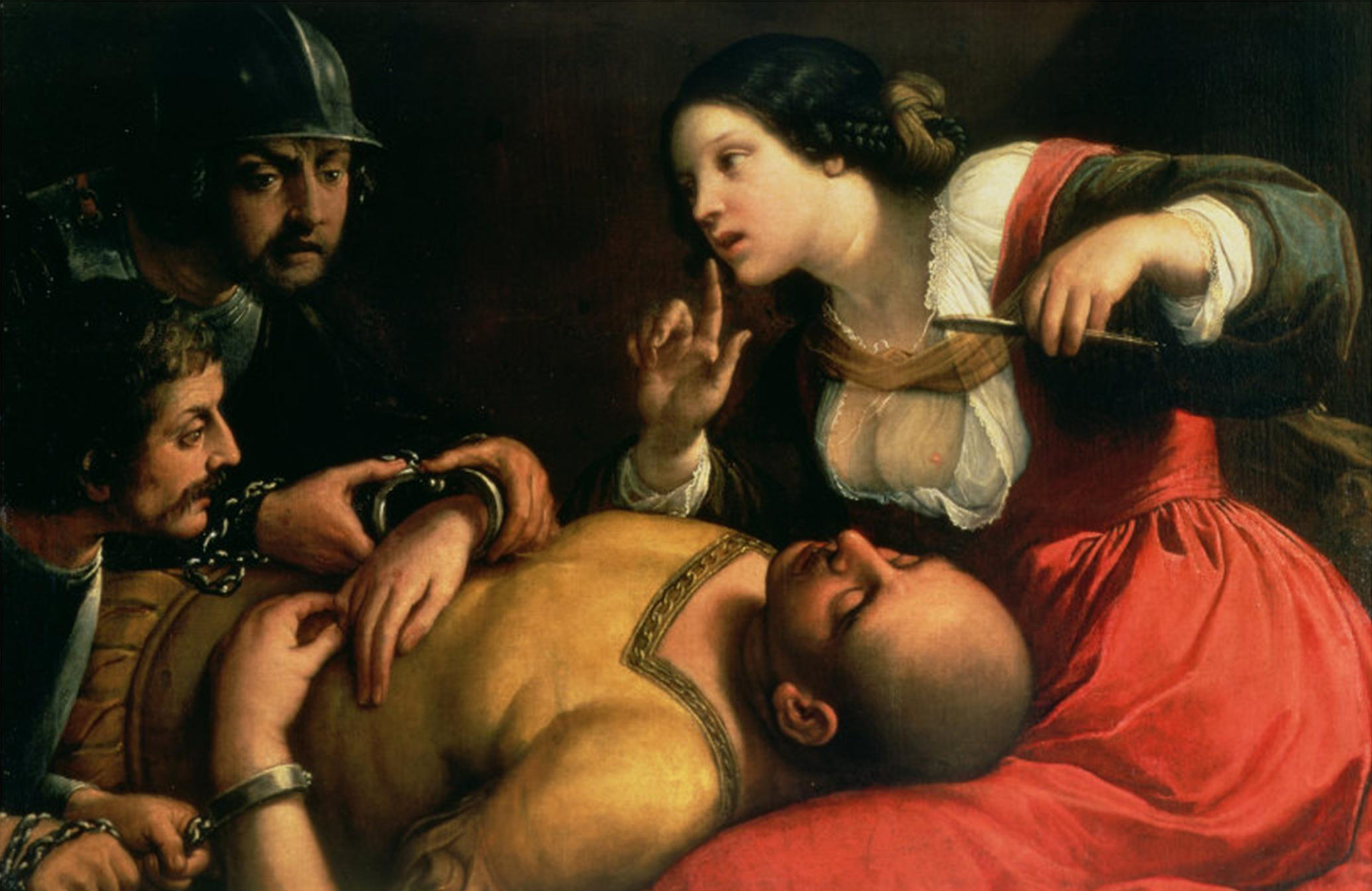
……This thread is a Coda to the preceding thread and puts Franz Wright in the context of “He Reflects on What His Genius Means,” the opening poem of LA-CROIX-MA-FILLE. If you have the time it might be better to read thread #7 first as of course it precedes it chronologically.  This one, “For Franz Wright,” introduces the theme of creative anger with the opening ‘Relic’ poem of the book (it’s “thought to be Samson’s,” after all, “found amongst the ruins”), and then takes the opportunity to tell the story of Franz Wright’s life (March 18th, 1953 to May 14th, 2015) in some detail. The mood is indeed almost hagiographic — and what a paradox, like Raskolnikov, or indeed anything out of Dostoievski. The thread is addressed to my Latvian friend, Jūlija Lebedeva, who was in the process of ‘illuminating’ the book at this very time, and whose contribution has so deepened it. [ * Sculpture: “Head with Windshield Shards” by Delia Woodman. Be sure to CLICK on all the graphic tabs at least twice as many of them expand.]
.
5.) WHY IT’S MORE IMPORTANT FOR A WRITER TO SLEEP
WELL THAN BE READ, OR ALMOST (December 2, 2017)
……Despite it’s contemplative graphic, this very long thread is constructed like a whole hornet’s nest of Russian dolls — a paradox indeed! In fact, the thread straddles 6 years of debate about the poet Franz Wright’s bizarre intervention in a much earlier thread which culminated in his calling Christopher Woodman’s poem, “Leonardo Amongst Women,” “perfectly awful.” This event occurred just before Christopher’s Blog:Cowpattyhammer went off in one direction and Thomas Brady’s Blog:Scarriet in another, a painful break which changed both of them. An important plus in the thread is the way it illustrates both the creativity and the negativity that underlay the original Blog:Scarriet experiment, a paradox which was also at the very heart of Franz Wright’s genius — he was one of the most quarrelsome, ornery poets who has ever lived with the hugest heart and almost flawless broken voice.  Its a very rich thread indeed, I think — one of my favorites. So please do give it some time and celebrate with me ‘Franz Wright, the most valuable of companion-poets on the loneliest of roads.’ He too published almost nothing before he was 50, and was dead by 63. Illustration: “Sleeper,” by Michael Borrëmans for the cover of Kindertotenwald, Prose Poems by Franz Wright (2007). ………………….(Annotated Appendix with 56 Comments.)
.
6.) “O FOOL OF EARTH!” A Haiku by Samson
illuminated by Julija with Caravaggio, T.E.Lawrence
& an encore by our Christy himself. (Nov 21, 2017)
……This is a bravura thread built around a single illuminated Haiku, one of Julija’s earliest sketches for LA-CROIX-MA-FILLE — at the time still subtitled A Book of Poems & Relics. The conceit is that “O Fool of Earth” is one of the artifacts that has been “found amongst the ruins,” not “written,” and is therefore, like the other “Relics” in the book, formatted in Lucida Blackletter with capitalized nouns and red illuminations.  In addition, the two towering “pillars” of the drama, the Prophet Samson over here and Lawrence of Arabia over there, are displayed in the genius light of Caravaggio’s mannerist heroes, and are at the same time admired and ridiculed as “Fools of Earth.” Those are the words of “our Christy” from J.M.Synge’s The Playboy of the Western World which introduce ‘Pillars on the Beach,’ Part I of the book. “It’s a passionate, over-the-top thread,” Christopher says, “an apotheosis of shame combined with valor, and it still makes my heart miss a beat as well as beat a bit faster. And to tell you the truth, I don’t really know the difference — ‘Been there, done that’ is all anybody can say!”
.
7.) ON HOW I MAKE SENSE OF IT: the poet deconstructs
somebody else’s Haiku. (November 17, 2017)
……A deconstruction of the last Haiku in LA-CROIX-MA-FILLE
this reading combines close metrical analysis with New- as well as Post-  Critical observations left over from Christopher Woodman’s years at Columbia, Yale and Cambridge. But even more importantly, the critique relives in detail how the little poem found its true form over a period of 30 years, and has now settled down as one of the most important ‘Relics’ in the book, gilded and framed. “It never changes yet never stays still,” the author says. “For me it embodies all the richnesses of a ‘Hex,’ a ‘Ruin,’ and a ‘Riddle.’ And it just never stops giving.”
…
III. “ON WHAT I CAN SAY:” (5 Threads, 2015-17).
8.) ON WHAT I CAN SAY: deconstructing the spirits’
……beguiling but awful mess… (October 31, 2017)
……In this section of the Index there is a big shift of focus from Christopher Woodman’s books to the mysterious world around him in Chiang Mai. This thread describes a visit to one of his favorite Wats (Temples) on the ancient pilgrim trail through the jungle on the way up Doi Suthep, the Holy Mountain that hangs over the city, indeed one of the most revered Shrines in Thailand.  There are many strange and exotic surprises in the thread both about what is “spiritual” about the place as well as about what is taught in such a fey, chaotic environment. Indeed, you have to click yet again on everything to see it all like the seductive little Nang Ram dancer behind the chicken in the bushes, and there’s a great deal more like that buried in the thread itself. The very end includes what the author feels is probably the best thing he’s ever written about the Buddha story — which, he says, is also about what a writer learns from such an experience and, more likely than not, has simply got to unlearn. Because this thread is about reading and writing poetry too.
.
9.) ON WHAT WE’RE NOT ALLOWED TO SAY:
….deconstructing indiscretions.…..(October 7, 2017)
 ……Unlearning also means learning not to ask too many questions but to remain in uncertainty as John Keats suggested and so eloquently bore witness to both in his brief, febrile life and forever in his poetry. “For you can never stop on such a road,” it says in this thread, “it’s that steep and narrow, indeed, any attempt to turn round and head back is curtains. Why, even just pausing to catch your breath can trigger an avalanche!” So the “indiscretions” are multiple, both my own and those of other unfortunates, and clicking through them will take you to some places as strange as any Wat-Pha-Lad-type reliquary junk-pile. (2 Comments)
.
10.) WHY I WROTE HOW BAD IS THE DEVIL (March 20, 2016)
……This is the thread I most often touch back to, and if you’ve been following me recently will recognize you’ve been here before: for my brother Tony, for Galileo’s daughter; for why I make it all up, how relics rewrite, why Immanuel Kant, Emily Dickinson, G.F.Handel, and Winslow Homer, and the Canal de Bourgogne quite specifically. Here’s a graphic followed by a short excerpt both of which you may well remember:
 …………“And that’s how bad the Devil is, not knowing your place in the grown-up world, not just lying down and being quiet like the big dog Sam. Being soft in the head like being Eve in God’s grown-up Garden, like not only rejecting Heaven but being in cahoots with the Devil in a serious effort to rewrite Paradise. ‘Unless we become as Rogues we cannot enter the Kingdom of Heaven,’ Emily Dickinson wrote to a friend at age 50, and I’d say courage like that coupled with a woman’s body and a diamond mind is heroic!
…………“Which is why I write as well, as if my desk were underground in Lascaux — as if the hunt depended on my depiction of the beauty and grace of the animals as well as my reverence for them. And even the sun rising.” (57 Comments)
……….
11.) HOW BAD IS THE DEVIL? (December 14, 2015)
……Not for the faint-hearted, this is a long, no-holds-barred examination of the power of women. From the very start it assumes that it was the genius of Eve to eat the apple, not her foolishness, that it was the booby Adam who was overwhelmed by the adolescent desire to eat both her and the apple, both at once! And that profound truth is uttered everyday in the Catholic Mass as we hear the male Priest intone, “O blesséd fault, O sacred sin of Adam!” — a message which the priest like the man first learned from Eve, of course. Because there can be no freedom without disobedience, no redemption without trangression — that’s all metaphor, of course, not dogma what is more, God forbid, religion!  ……Because just as he is depicted in the Medieval ‘Mystery Plays,’ Adam is always the clown-act that men have been reenacting ever since they got expelled for following Eve out of Eden. Even as the most sensible of all philosophers did, because it was Aristotle himself who got ridden by the beautiful Phyllis, the Consort of Alexander the Great, don’t forget, and the great existentialist philosopher too, Peter Abelard, who got carried away by Helöise, his best, most brilliant and at the same time most faithful student — all that’s from the very first Comment in the thread, and it deepens and deepens from there. A confection of genius dysfunction, yet precisely what makes the well-lived life truly worth living!
…………The question is not, “is the Devil bad?” but rather how bad is the Devil if he can deliver to humanity the gifts of consciousness, free-will, and the ability not just to be perfect but to experiment even beyond that, even perhaps to eat apples! And then the opportunity to say sorry from the heart and out of the chrysalis fly! (17 Comments)
……….
12.) SAVAGE BEAUTY: (do I dare? do I dare?) (January 13, 2015)
……A short but extravagantly illustrated thread: “the hidden waterfall,” entered through the jungle on the other side of the Holy Mountain; “Merlin collared,” or how to get cornered at home plus a black magic adventure with an intrepid friend from the Tetons, Brian Hayden.  And always the very big question: “do I dare? do I dare?” — the words of the failed poet whose success is writing-on anyway and then arriving at a whole riff on Orhan Pamuk’s My Name is Red, a great novelist’s greatest novel and at the same time a great treatise on refinement and passion in Turco/Persian culture and miniaturist art which seems to say, We’re here! An autobiographical thread full of passionate photos and poems with a lot of help from my friends including Omino 23, a rapper from the Turks and Caicos Islands who turned out to be Bill Kammann’s diver-son, Matthew Kammann — and Paddy Linehan, of course, the great old-soul writer from Ireland. A gathering thread, startled and started but never quite finished. (17 Comments)
………
IV. “GETTING STARTED/CHANGING GEARS:
….(5 Threads, 2013-14).
13.) CLICK THRICE, THEN LET ME KNOW (May 28, 2014)
 ……A short thread full of secrets, forgotten passwords, fake spells and mystical non-disclosures. This is partly because it’s the last thread in this Index put together under the cross-eyed management of both Cowpattyhammer.com and Scarriet.com, so it rattles along in a nervous, off-hand sort of way from one stranger’s secret to another’s even stranger. But it’s beautiful to look at, and edifying too in the end, and includes some memorable poetry from both sides of the tracks. And it left me free after I had finished it, as I still am. Free but alone and if anything (never mind that), even less read. (16 Comments)
……….
14.) ONE FOR SORROW, TWO FOR JOY (April 7, 2014)
……A very positive thread developed around a memorable image:
 “As bare and simple as this Piero della Francesca,“ it says, “and as dependent on faith. That means your faith, the faith you have in yourself, the viewer, not in Jesus or Mary or anything like that but just in how much faith you are able to bring to whatever you see without rhyme or reason, like that tiny little bird on the left, or the big one on the stable roof for that matter, which is unmistakably a magpie…”
……This is the last in the series of close encounters (#16-19) with two of my closest friends who had earlier belittled my poetry. Indeed, their ragging cast a shadow over my whole life for almost 2 years starting from Make It New in #19 below. But in the end One for Sorrow, Two for Joy is a very positive thread because of its heart-felt restorative work on the very poem my friends chose to dish. This was “Leda Takes Another Lover,” one of my proudest, most fey yet most faithful poems, and its restoration continues all the way up to #3 above. The discussion includes not only the original, 1992 version of the poem first written in French as “Le Verger” (“The Orchard”), but also some of the most fruitful close-readings in the whole of Cowpattyhammer, and some of the most telling anecdotes as well. And I realized in the process that it always has to be now or never for a poet like myself (“vulnerability,” I call it in A Forthright Appeal), that I have to blow my own ‘pan-pipes,’ as I call them above, seductively or triumphantly or whatever even if there’s nobody there to hear me — to make my own way, that says, talk my own talk up and down and sideways. And I too will pump my fist in the air as if it were the 1968 Olympics, proud of the defiant glove on my hand even as it says I’m no good. And I hope you can forgive me. (15 Comments)
.or what it is………
15.) TEA BREAK BY THE FORGE (March 11, 2014)
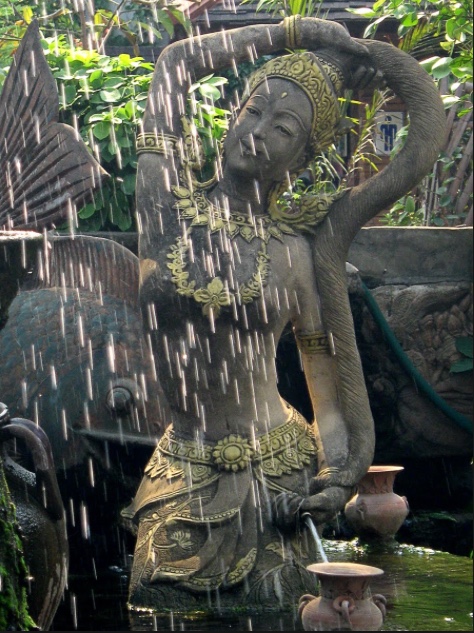
……At the very end this thread reaches inside the fountain image that introduces the Annotated Index, passing through various levels of comprehensibility to arrive face to face with a haunted presence that is neither seen nor unseen.  Click on the photo of the author working in the Baw Plaa at the very end (twice, please!), then go back and give some time to Dawn Potter’s beautifully moving introduction to such potentialities and on to her arguments for wanting to take it all down.
………………….Nevertheless you are there, hidden,
………………….And again you wake me,
………………….Scentless, noiseless,
………………….Someone or something,
………………….Something or someone faithless,
………………….And that will not return.
……………………….Dawn Potter (March 11th, 2014)
……After Edna St Vincent Millay’s extraordinary teen-age “Renascence,” you can return to the world with Bill Kammann’s celebration of comprehensibility as the essential ingredient to all useful perception, and of course the antidote to my own attempts to say not this, not that and certainly not anything reasonable about love what is more about marriage. Indeed, the whole thread is an example of the sort of tea-break by the forge that I look forward to most when I sit down to re-write the world alone like Emily Dickinson upstairs on my porch. The hammer blows are silent as I cool my hot arms after all that heat and hammering in the country kitchen. (27 Comments)
.
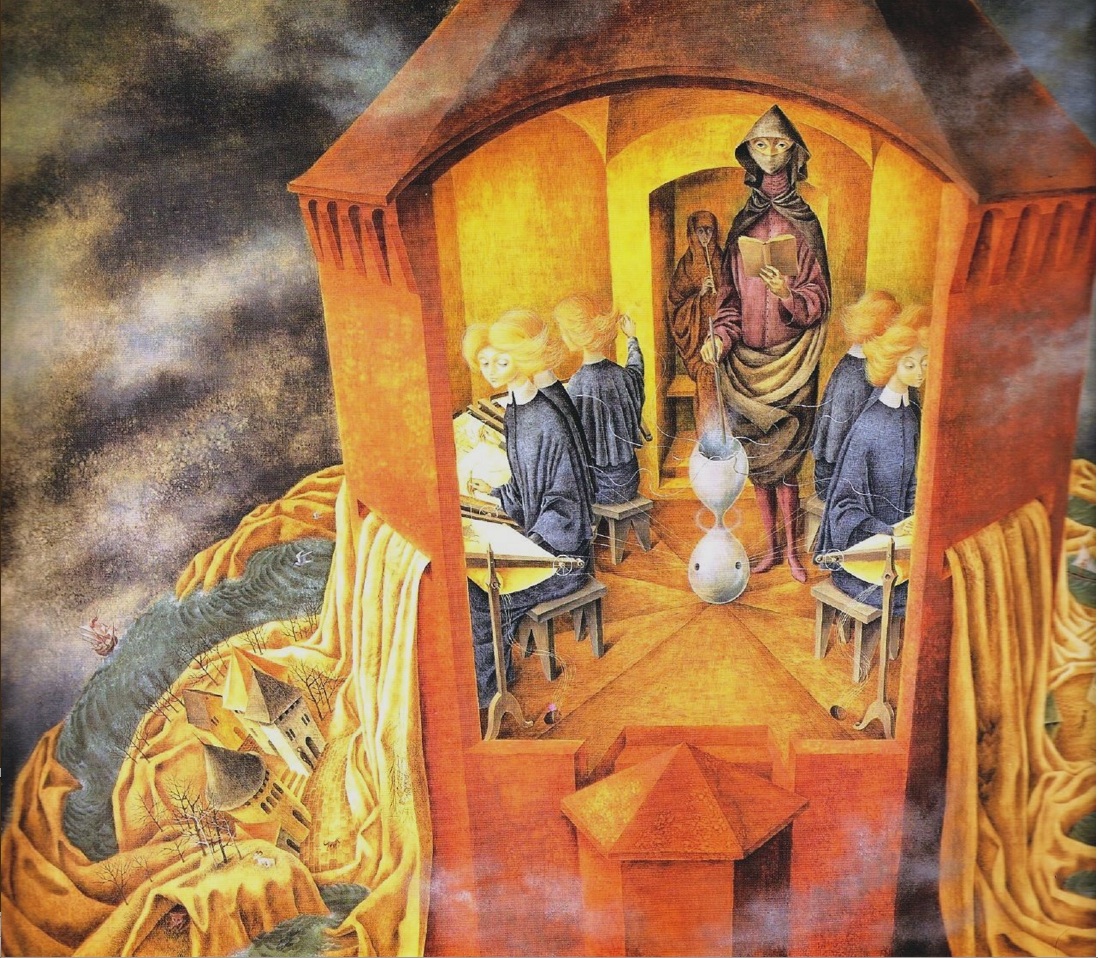
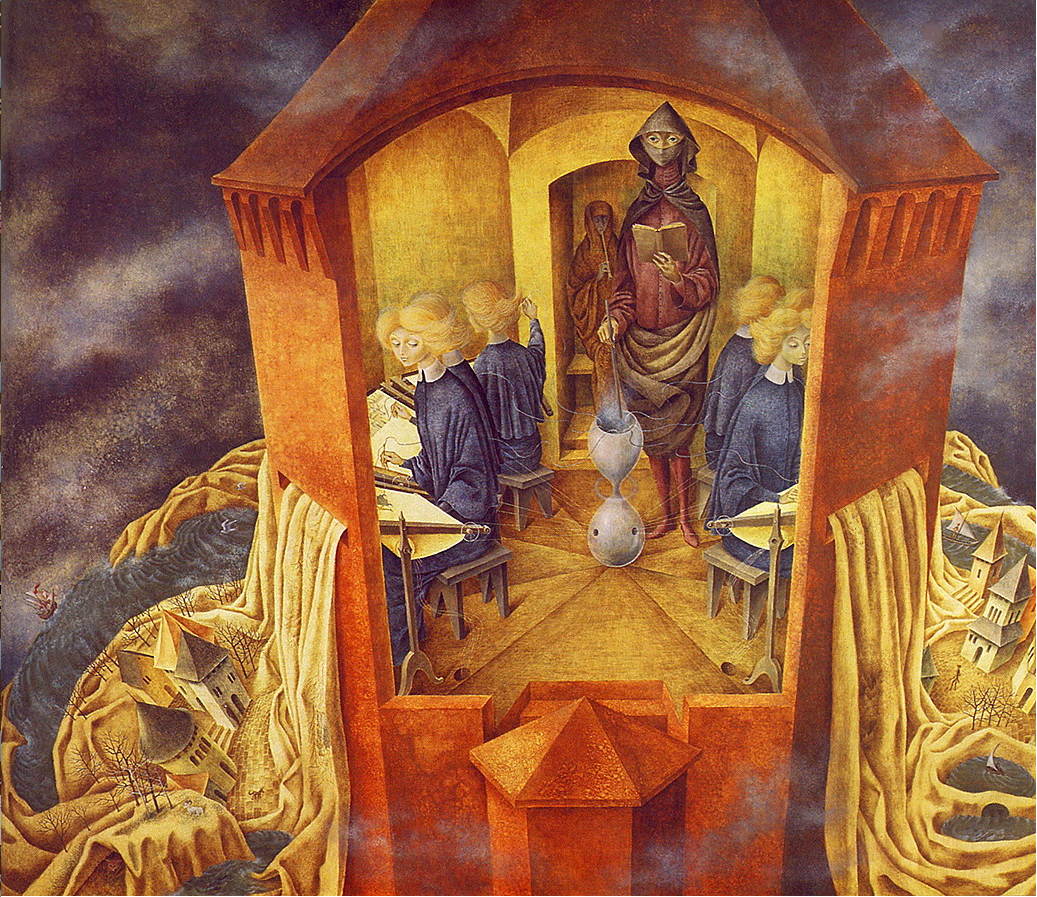
16.) BORDANDO el MANTO TERRESTRE
……..by Remedios Varo (Feb 10, 2014)
….……“This thread was designed to deal with some of the issues that were left hanging at the end of the previous thread, “Make It New,” which ended upside down in the grass. Those issues stalled at that moment, needless to say, but I think the final discussion of Emily Dickinson’s “haunted house” probably took us as far as we could go anyway, under the circumstances.”
….— I still find this Thread devastating, and sincerely hope you do too. Because some things just are.
….— I never figured out who the enlightened apparition called Omino 23 actually was, or how much he had to do with the demons who also managed to slip in. Disguised in whites they set about scuffing up the pitch with their hiking boots on, so how could anyone be expected to play properly for all those 79 overs as if it were cricket?
….— Tragic in the sense of goats’ play — i.e. just as dark as light.
………………………………………………………(79 Comments)
.
17.) MAKE IT NEW! (December 7, 2013
……Such a rich and diverse Forum with so many valuable visitors, and then suddenly the whole kite candles like a wet rag — badly packed parachutes make for limp landings! You have to scroll backwards and then repack your gear for the same day in 2015 to find that old storm-blown fields like these way out in the Atlantic are still there to welcome new landings. Have a look and you’ll find much there like this.
 Inishmore: the island at the very end of the beginning of the world.
….……That’s why the indigenous people up the road are so important to me, because they tell me so much more about who I am right here right now without any of the higher stuff.
….When I look in the mirror these days it’s not an elevating sight, believe me. But that’s o.k. — because the old wizened ‘good-fella’ that looks back at me now tells me don’t worry, nothing that really matters is ever outdated what is more undreamt. “That’s what makes it alright,” the gracious young mother with the tall daughter answers in the graphic, “that’s what makes it new.”
……………………………………………………………….(57 Comments)
……….
V. “EAST IS EAST & WEST IS WEST:”
….(5 Threads, 2010-11.)..……..
18.) THE MYSTERY OF BARABAR & THE MARABAR CAVES: (with W.F.Kammann, July 6, 2011.)
……This is the last of the series of ‘Asian’ dialogues between Cowpattyhammer’s two close but fractious friends, its unhinged poet on the one hand and its scrambled Buddhist sannyasin on the other.  Beginning with the ancient caves at Barabar in India made so famous by E.M.Forster in A Passage to India, it’s a funny, inspiring, trippy, affirmative yet outrageous encounter, a super-sensible dialogue that explores the limits of Perception on the one hand and of Error on the other while focussing on the Meaning and Value of Emptiness, i.e. The Void as opposed to the Manifest Existence that even Bill Kammann and Christopher Woodman assume they live in. And if this Alice in Wonderland Introduction irritates and/or interests you you should probably give the Thread a chance — it will scramble and/or unhinge your minds once and for all, which is almost certainly a good thing when it comes to understanding such matters.
……………………………………………………………….(12 Comments)
19.) KIM, KIPLING & KAMAKURA.
…….. (with W.F.Kammann. May 7, 2011)
………… The penultimate Asian collaboration between Christopher Woodman and W.F.Kammann, this dialogue focusses on Rudyard Kipling’s novel, Kim, not as an adventure story but as an inspired modern treatise on Buddhism. Because the novel challenges Western assumptions about the value of Tibet’s essentially elitist spirituality which, in Kipling’s novel, is presented as less nurturing than the education the genius orphan-boy, Kim, receives on the road with just a befuddled old ex-Abbot as guide and companion. And the thread is very personal too, for its two authors have both been there/done that, each in his own way, making the discussion more urgent and real for them. Like this, for example:
…….……“One evening at Garwald I asked Trungpa, already in his cups, why don’t we Western disciples see things? Why don’t we have visions or at least get a feeling of some sort of special powers developing in us? And Rimpoche just laughed that crooked laugh of his, because he was already paralyzed on one side after the car accident. ‘Visions? Powers?’ he chortled. ‘Why do you want that old stuff? It’s so easy for one thing, and so useless for another. You’re on a higher path now — because we Tibetans couldn’t do any of the stuff you do. Personal relationships, that’s much harder — we couldn’t do that at all. And look at us? Look what a mess we’ve made with those things here in the West?’
……“ ‘The challenge is to love and care for one another personally, and even passion is part of that, even sex. We were like spirit animals. We could do magic and fly and see all sorts of things, but we couldn’t do anything with each other. Just abuse.’
….……Which was precisely why Kim’s Lama had quit his Himalayan fastness in the first place, drifting off to search for a deeper sort of salvation along the teeming, fetid, lowland roads of India, a sort of Victorian Dharma Bum, in other words — which is still a revolutionary thought for those Western Buddhists who fantasize about strict yogic practices at high altitude. On the other hand, Kim’s way doesn’t mean to drop out like Jack Kerouac either, our home-grown spiritual fantasist, but to be more active, more rooted, sane and practical, indeed post-formal seekers who remain very much in this world and, much to their credit, largely invisible…
 ……The other important aspect of this interpretation of Kim is the way it probes the relationship between the very young genius author, ‘Ruddy,’ already an international celebrity by the age of 24, and his equally extraordinary but shyer, deeper, more reflective artist-father, John Lockwood Kipling, who was also one of the West’s earliest experts on Tibetan Buddhist iconography. Of course Lockwood actually appears in the novel as a character, indeed he’s the Spirit Master who teaches the old Reverend Lama from Tibet as if the latter were the disciple or chela, not the other way around. And finally, this celebrated Anglo-Asian novel called Kim was written in Brattleboro, Vermont.
……………………………………………………………….(93 Comments)
20.) AN OBITUARY FOR WILLIAM KAMMANN: THE POET’S SEVEREST CRITIC & BEST FRIEND: …(January 27th, 2024)
….……Flatbush Bill was the co-author of two of Cowpattyhammer’s best threads, Kim, Kipling, and Kamakura and The Mystery of Barabar and the Marabar Caves. He was formerly a welfare activist, choirmaster, and leading member of the NY Tibet Society, and died as a mendicant in Mexico.
 ….The Buddhist faithful get up very early every morning to cook special meals for the monks who file by the house barefoot at 6am on their daily alms round. The women fill the bowls and then kneel down for a blessing. No word is spoken during the whole exchange, and nobody serves what is more is served.
….It was thus that Bill died on January 24th, 2024 in Patzcuaro, Mexico, and how this poem became AN OBITUARY for him.
___________________________________________________
………+………+………+……..+………+………+……..
+…….……..+……..+………+…………..+……..+………+……
To exit AN OBITUARY FOR W.F.KAMMANN you can either move on to the next thread, THE ADORATION OF ANYTHING YOU THINK YOU OWN IS FIRE or go back to A COMPLETE DIRECTORY and choose another page that interests you.
___________________________________________________

 was a great success. As a result the American poetry community expanded as fast as anything in the post-war economy, and for the first time there were good teaching jobs out there for poets — plum jobs from Community Colleges and State Universities right on up to the most prestigious Graduate Schools.
 Yes, I had been teaching Poetry all my life, but it never occurred to me to take my own poetry seriously until it became my ‘calling,’ so to speak. Indeed, it was not until my 53rd year that I began to think of myself as a Poet, and I never felt there was anything particularly late about that. Yes, I had been paid to teach it for much of my life, and quite well at the level I was on, but it never occurred to me that being ‘a Poet’ in itself could be a salaried job.


 in the dark on the scrap of paper marking my place in “The Invisible Woman” lying beside me. I copied the last four letters out twice so I could decipher the word in the morning — yet to this day I still don’t understand it in the context. Why me? Why then? Why this?


 with anyone interested, and there were many outliers there beside me. Because that was F.R.Leavis himself, one of the greatest 20th Century English Literary Critics, still there and still on fire in words not just about D.H.Lawrence but about “Tom” (T.S. Eliot) as well. In many ways his renegade status as an Engaged Critic suited him even better than a Chair would have. He felt good in his own skin like that — more an outcast Prophet than a Professor.
 and why I won all those prizes. Because I wasn’t cut out to be an Academic — Polyphonic Narrative in Elizabethan Literature was beautiful scholarship but at the same time a touchy-feely pot-boiler just waiting to be satirized by Vladimir Nabokov. For I was as much into Jerome Rothenberg as Edmund Spenser, and most of all bringing up children, building the most beautiful tree-houses in the world for them and then steadfastly sailing away with everybody on board. Indeed, after ‘going down’ from Cambridge in 1969 I eventually became the person you see in the photo. It’s 1980, I think, in the Windward Islands somewhere, possibly even Jean Rhys’ Dominica, and I’m all of 40 already — another decade to go before I would write the first (i.e. last) poem in this book just below.
 .

 Indeed, I was aware that I was putting on a mask in order to hide my own struggle with myself, not to express it — I couldn’t tell anybody that but knew it myself. That’s one of the reasons I’m still so interested in W.B.Yeats who was an out-of-touch adolescent with similar obsessions all his life. On the other hand, right from the start Yeats built on an ancient mythology that had everything to say in itself however much he fudged it, and of course he was also a genius in so many other ways. I posed as Yeats did but with a great deal less skill and with no effective schtick of my own at all. I pretended to be Shelley, for example, and even nourished the fantasy that my boy’s boarding school was the school that imprisoned 19 year old Percy Bysshe’s 16 year old Harriet! But all the same I did get a superb education there and, perhaps even more importantly, the experience of waking up among the magical New Hampshire lakes and forests for five of my most sensitive years.


 (AP Photo/Noah Berger – Las Vegas, Sept.9th, 2020)


 I still rejoice in the thought of it but know it’s unlikely I shall ever visit it again as it’s no longer a place to work one’s way through, just to play around in, to pretend. For that reason I’m not really very interested in it anymore — it was ‘working my way through it’ that so engaged me right from my first passage 50 years ago to the moment when it was closed to heavy traffic in the 1990s. “Se frayer un passage” (“to ‘force’ or ‘work’ one’s way through something, like a blacksmith ‘works’ wrought-iron) is what the French “bateliers” (‘barge people’) have always called working their huge 125ft steel barges through the complex system of wrought-iron gates, sluice valves, levers and ladders for days on end to wherever they happened to be going — and it could be grand places too, Marseille, Lyon, Paris — or anywhere in Holland, Belgium, Germany, indeed all the way from the Rhone to the Rhine and back again to humble St Jean de Losne on the Saône or Conflans-sur-Seine. And they did all that not only with 350 tons of sand, stone, coal or grain on board, but with the whole family — home was aboard and everybody was there all the time!


 The stone cross in question was erected as a memorial to a much loved daughter who died on the rocks below on August 7th, 1845 — its inscription reads simply, À MA FILLE/ 7 AOUT/ 1845. Over time the local people have realized that this solitary, wind-swept cross has come to have a life of its own, and that it’s power resides in the mysterious phrase, “la-croix-ma-fille.” Indeed, this tragic stone cross has become a sort of magical ‘hex’ or ‘totem’ for the Le Croisic community, a ‘spirit house’ one might even call it (‘hôtel’ in French also means ‘altar’ when translated into English). Whatever, the local people know that what they now call La-Croix-Ma-Fille can reach out to their storm-bound loved ones as they struggle to stay off the terrible rocks below, that in the darkest moments its power guides and protects them like a lighthouse or an angel, and brings them safely home to the hearth in one piece.


 “Bordando el Manto Terrestre” [